
Key Takeaways
- The steps taken immediately after a car accident can influence both your recovery and how your claim is evaluated.
- Early documentation, including photos and witness information, can play an important role in understanding how the accident occurred.
- After a crash, a medical evaluation helps identify injuries and creates a record for future reference.
- Maryland’s contributory negligence rule means that how fault is assessed can directly affect whether compensation is available.
- Legal guidance can help you navigate deadlines, understand how fault is evaluated, and determine how to move forward based on your situation.
If you have been in a car accident in Maryland, the moments that follow can feel overwhelming. You may be dealing with injuries, vehicle damage, and uncertainty about what to do next, all while trying to check if everyone is safe.
It is not always clear which steps matter most or how early decisions may affect your insurance claim. Missing key details, delaying medical care, or saying the wrong thing at the scene can create challenges later when you are trying to move forward.
Working with a Maryland car accident lawyer can help you understand what steps to take and how to protect your claim. At Bowers Law, we guide clients through what to do after a crash, help document what happened, and assist with the next stages of the process so you can focus on your recovery.
What to Do After a Car Crash In Maryland
After a crash involving injury or property damage, Maryland drivers must stop at the scene, check for injuries, and exchange information with others involved. These early conversations can affect the weeks and months that follow, especially if you pursue a personal injury claim.
Acting promptly can help you receive appropriate medical care and create a clear record of what happened.
1. Check for Injuries and Ensure Safety
Check yourself, your passengers, and others involved in the accident for any signs of injury. If anyone is seriously hurt, call 911 right away so emergency services can respond. Avoid moving anyone who may have a head, neck, or spinal injury unless there is an immediate risk, such as fire or traffic danger.
2. Move to a Safe Location, If Possible
If your vehicle is drivable, turn on your hazard lights and move it out of the flow of traffic, such as onto the shoulder or a nearby safe area. Maryland law encourages drivers to clear the roadway when it can be done safely to help reduce the risk of additional collisions.
However, if your vehicle cannot be moved, remain in a safe position and stay aware of your surroundings, especially in areas with active traffic. If you remain inside your vehicle, keep your seatbelt fastened while waiting for emergency responders.
3. Report the Accident and Speak With Law Enforcement
If law enforcement has not already been contacted, report the accident so an official record can be created. When police officers arrive, provide clear and accurate information about what happened, but avoid guessing or speculating about fault.
You can also ask how to obtain a copy of the accident report, which often includes important details about the scene and may be used later when reviewing your claim.
4. Exchange Information With Other Drivers
Exchange basic identifying and insurance information with all drivers involved in the accident. This typically includes:
- Full names
- Contact details
- Driver’s license numbers
- Insurance companies and policy numbers
- Vehicle information such as make, model, and license plate number
Taking a photo of documents, when possible, can help with accuracy and prevent missing details.
5. Document the Scene of the Accident
If it is safe to do so, take photos of the scene before vehicles are moved. Capture vehicle damage, license plates, road conditions, traffic signs, skid marks, and any visible injuries. These details can help create a clearer picture of how the accident occurred and may be useful if questions of liability arise later.
6. Gather Witness Information
If anyone other than the drivers involved witnessed the accident, ask for their name and contact information. Independent accounts can provide additional perspective on what happened, especially if there are differing versions of events.
7. Avoid Admitting Fault
Be mindful of what you say at the scene. Even well-intended statements can be misunderstood when fault is being evaluated. It is safest to stick to factual information when speaking with others involved or responding to questions.
8. Seek Medical Attention
Seek medical care as soon as possible, even if you do not feel immediate pain. Some injuries, including whiplash and soft tissue damage, may not show symptoms right away. Early evaluation can help identify injuries and create a record of treatment.
Not sure whether to go to the ER or urgent care after a car accident? We’ve broken it down for you.
9. Notify Your Insurance Company
Report the accident to your auto insurance company and provide basic details such as the date, time, location, and the other driver’s information. Be clear and factual when describing what happened. Keeping communication organized can help as your claim moves forward.
10. Keep Records of All Documents and Communication
Maintain copies of all relevant materials, including photos, the police report, medical records and bills, and any communication with car insurance companies. Keeping these records organized can help you track the progress of your car accident claim and reference important details if needed.
11. Consider Consulting a Maryland Car Accident Attorney
In situations involving injuries, disputed fault, or multiple parties, legal guidance can help you understand your options and how to move forward. This may include reviewing evidence, communicating with insurers, and navigating the next steps in the process.
What Steps Should I Take If the Other Driver Does Not Have Insurance?
If the other driver does not have car insurance, your own uninsured or underinsured motorist coverage may apply. This type of coverage is designed to help in situations where the at-fault driver does not have sufficient insurance.
It is still important to document the accident carefully. Take photos, gather witness information, and obtain a police report if possible. These details can help establish what happened and support your claim. In some situations, there may also be other parties who share responsibility, depending on the circumstances of the crash.
How Do I File a Claim With My Insurance After a Car Accident?
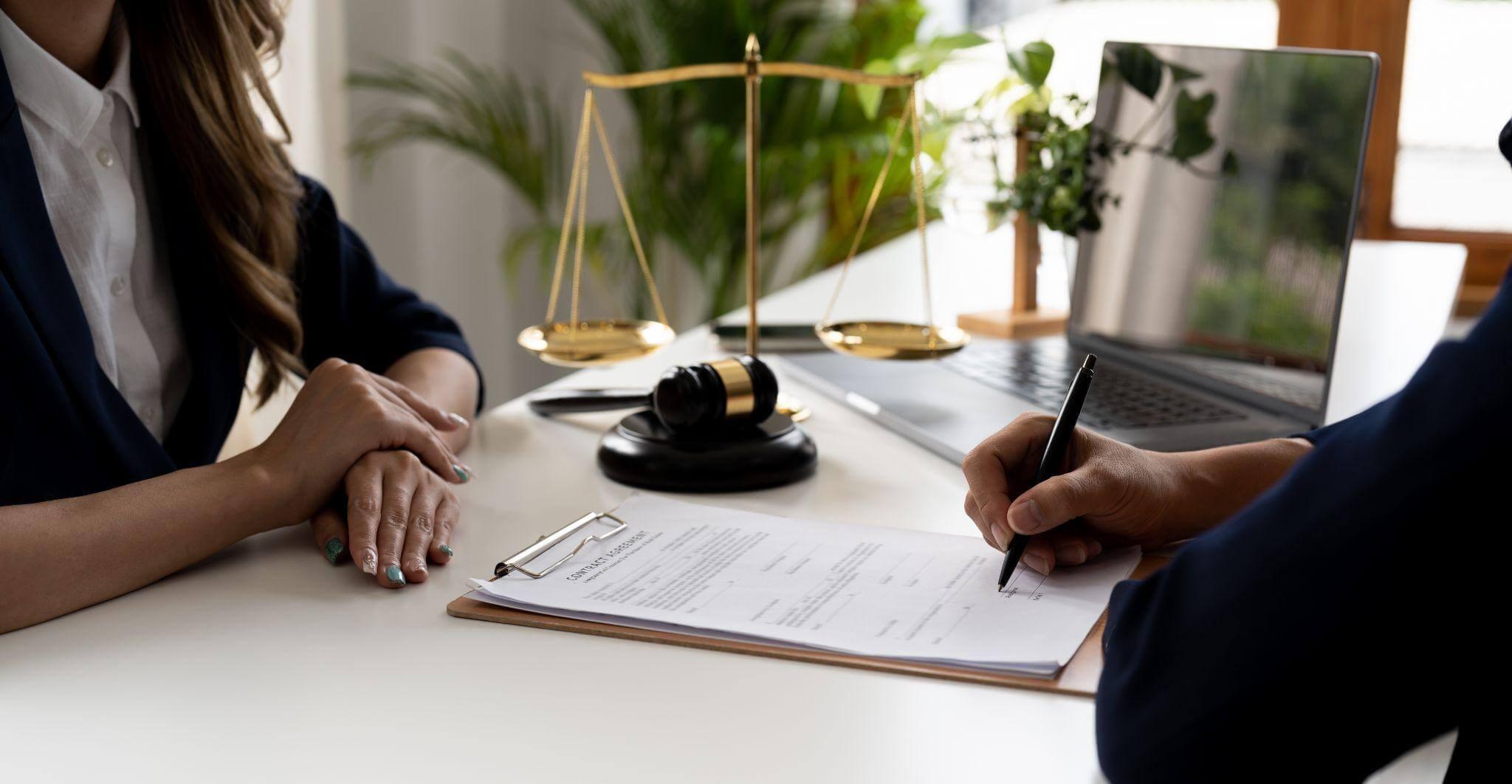
You can usually file a claim by simply reaching out to your insurance company either by phone, message, an online form, or an app. Be prepared to provide basic information, such as:
- Date
- Time
- Location
- Details about the other driver
You may also need to submit photos, a police report, or other documentation.
How Long Do I Have to Report a Car Accident to My Insurance Company?
Most insurance policies require that accidents be reported within a reasonable timeframe. The specific requirements can vary depending on your policy, so it is important to review your coverage or contact your insurer to understand what applies.
Reporting the accident sooner rather than later can help avoid delays and start the claim process with complete and accurate information. Prompt reporting also allows you to document details while they are still fresh.
Do I Need a Lawyer After a Car Accident?
Whether you need a lawyer depends on the circumstances of your accident. In more straightforward situations, a claim may be handled directly with the insurance company. However, many cases involve factors that make the process more complex.
You may want to consider legal guidance if your situation involves serious injuries, disputed liability, delays or challenges with an insurer, or multiple parties. These situations often require careful documentation and a clear understanding of how fault and deadlines apply.
Maryland law adds an additional layer of complexity, particularly when it comes to strict filing deadlines and how fault is evaluated.
Maryland Car Accident Deadlines
Maryland law sets a time limit for filing a personal injury claim after a car accident under Md. Code, Courts and Judicial Proceedings § 5-101. Wrongful death claims are governed by § 3-904. These deadlines determine how long you have to bring a claim in court.
In addition to filing deadlines, insurance policies require prompt reporting of an accident. Waiting too long to notify your insurer may affect how your claim is handled.
There are also situations where additional notice requirements apply earlier than the standard filing deadline. If proper notice is not provided, you may not be eligible to pursue a claim. Reach out to Bowers Law as soon as possible to see what deadlines apply to your case.
Maryland’s Contributory Negligence Rule
Maryland is one of only four states still using a pure contributory negligence standard. If you’re found even 1% at fault for the accident, you cannot recover any compensation.
Because of this rule, insurance companies closely examine fault. They may review statements, reports, and other evidence to determine how the accident occurred and whether you hold any responsibility.
For example, questions may arise about speed, lane changes, right-of-way, or reaction time. Even small details can become relevant when evaluating how the accident happened.
An experienced car accident attorney can help you present the facts clearly, collect evidence, and determine liability so you can pursue fair compensation.
Why Choose Bowers Law, LLC, to Handle Your Car Accident Case
Bowers Law has handled over 3,000 personal injury cases across Maryland since 2014. We help clients recover the maximum compensation available to them under Maryland law.
For example, our case results include:
- A $558,000 settlement for a car accident that was initially offered $10,000
- A $450,000 settlement for a client who was initially offered $70,000 after a rear-end accident
- A $1,000,000 settlement for a commercial vehicle accident just two weeks before trial
While Bowers Law has achieved strong results in a wide range of cases, the firm remains rooted in a small, community-focused approach. Clients are not treated as case numbers but as neighbors who deserve clear communication and personal attention. This balance allows our team to handle complex matters while still maintaining the accessibility and familiarity that comes with being part of the Cecil County community.
Our Client Testimonials
“I was is an auto accident my case was started by a partner but then was handed to Jobeth . From start to finish i knew every action that was taken. My bills were dramatically reduced and he also got the insurance company to policy limits payout. I highly recommend his office as they were on point and gave the best service you could expect.” — Dave E.
“On July 21st 2023 i was in accident and totaled my car. So I was looking for a lawyer that could help me with my lawsuit, and my mom told me about Bower law. It was the best decision I’ve ever made .Ms Jessica and the rest of the team we’re so great. They kept me updated on my lawsuit. Jobeth is the coolest lawyer I’ve ever had. Lay back and chilled.All about making you feel comfortable and helping you settle your case and putting some money in your pocket. Explained everything so you could understand it ,answered all the questions that I needed to be answered. I truly felt like family and I recommend them to anybody. That’s looking for a great accident lawyer They are the best.” — Tanica C.
“I was recently involved in a car accident and a friend insisted I contact Bowers Law. The entire team helped me navigate what would have been a very complicated and overwhelming situation. They made the entire process easy and educated me on what was happening along the way. I’m so glad I contacted them. Jobeth Bowers is the person you want on your side if you are involved in an accident!” — Dimi M.
Frequently Asked Questions
Will My Rates Go Up After I’m Involved in an Accident?
Whether your insurance rates increase after an accident depends on several factors, including your policy, your driving history, and how fault is determined. In some cases, insurers may adjust premiums after a claim, particularly if you are found responsible. Reviewing your policy or speaking with your insurance provider can help you understand how an accident may affect your coverage.
How Does the Insurance Company Evaluate Vehicle Damage?
Insurance companies typically assess vehicle damage through an adjuster or appraiser who reviews repair costs and compares them to the vehicle’s value. They may use photos, repair estimates, and inspection reports to determine whether the car can be repaired or is considered a total loss. This evaluation helps guide how the property damage portion of a claim is handled.
When Should I Seek Medical Attention After a Crash?
Seek medical attention as soon as possible after a crash, even if you do not feel immediate pain. Some injuries may take time to develop, and early evaluation can help identify issues and document treatment. Prompt care also creates a record that may be important if questions arise about your injuries later.
Can I Still Get Compensation If I Was Partially at Fault?
Maryland follows a contributory negligence rule, which can affect whether compensation is available if you contributed to the accident. Even a small degree of fault may impact your ability to recover damages. A Maryland car accident attorney can help build the strongest case for your situation.
Can I Take Photos of the Accident Scene and Vehicles?
Yes, if it is safe to do so, taking photos after an accident can help document what happened. Images of vehicle damage, road conditions, traffic signs, and any visible injuries may provide useful context later. These details can help support your account of the crash if there are questions about how the accident occurred.
Do I Need to Call the Police for a Minor Accident in Maryland?
Yes. Maryland law requires reporting accidents involving injury or property damage over $1,000, and most accidents clear that threshold. Even for a fender bender, a police report protects you if the other driver later disputes what happened or claims new injuries.
Not Sure What to Do After a Maryland Car Accident? Contact Bowers Law.
If you’ve been in a car accident in Maryland, don’t wait. The calls you make now protect your health, your rights, and your ability to recover fair compensation.
Contact Bowers Law at 410-885-6200 or use our online contact form for a free consultation. You don’t pay unless we win.

"*" indicates required fields